

Utilize specific hand signals to convey immediate information during high-pressure tasks. This reduces misunderstandings and fosters quick decision-making. For instance, a simple thumbs-up can indicate readiness, while a raised hand may signal a need for pause or clarification. Establish these signals in practice sessions to ensure everyone understands their meaning.
Implement a dedicated communication channel for real-time updates. This can be achieved through radios or a mobile application designed for instant messaging. Ensure all members are trained to use this channel effectively, emphasizing the importance of brevity to prevent overload of information during critical moments.
Conduct regular debriefs to analyze past performances and discuss areas for improvement. These sessions should encourage open dialogue, allowing each participant to voice their observations and suggestions. This cultivates a culture of continuous enhancement and strengthens team dynamics.
Establishing Clear Roles and Responsibilities in the Pit
Assign specific tasks to each member, ensuring that everyone understands their duties. Define roles such as tire changers, fuel attendants, and data analysts to avoid confusion.
Implement visual aids like role assignment boards to clarify expectations. This tool allows instant recognition of each person’s responsibilities during high-pressure situations.
Hold regular briefings to review individual roles prior to events, reinforcing comprehension. Discuss potential adjustments based on real-time performance, allowing flexibility while maintaining clarity in functions.
Incorporate a system of checks to confirm task completion and accuracy, allowing team members to support one another. This reduces the chance of miscommunication and enhances overall performance.
Create a feedback loop after each event, focusing on what worked well and what needs improvement related to each position. Continuous learning fosters refinement of individual roles and team dynamics.
Encourage open dialogue among team members to address any uncertainties about tasks. Address questions immediately, ensuring everyone is aligned with their responsibilities.
Utilizing Technology for Real-Time Communication during Races
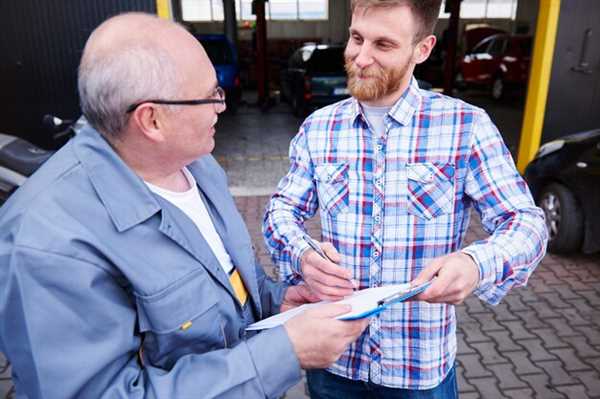
Implement a two-way radio system with noise-canceling features to enhance clarity amidst the race’s noise. This ensures that messages are transmitted without distortion, enabling precise exchanges between the team and driver.
Incorporate telemetry systems that provide live data analytics. This allows the team to monitor various parameters like tire pressure, fuel levels, and engine performance, facilitating timely decisions based on real-time insights.
Use dedicated mobile applications designed for motorsport communication. These tools often include instant messaging capabilities and alert systems, ensuring that critical updates are sent and received without delay.
Adopt visual displays on the pit wall, such as large screens showing live race feeds and data analytics. This helps the team to visualize race dynamics and adjust strategies on the fly.
Integrate augmented reality tools for remote assistance. This can enhance fault diagnosis and facilitate quicker repairs by providing real-time guidance to the team during pit stops.
Incorporate backup communication methods, such as satellite phones or alternative radio frequencies, to ensure connectivity is maintained in case of technical failures.
Developing a Structured Communication Protocol for Pit Stops
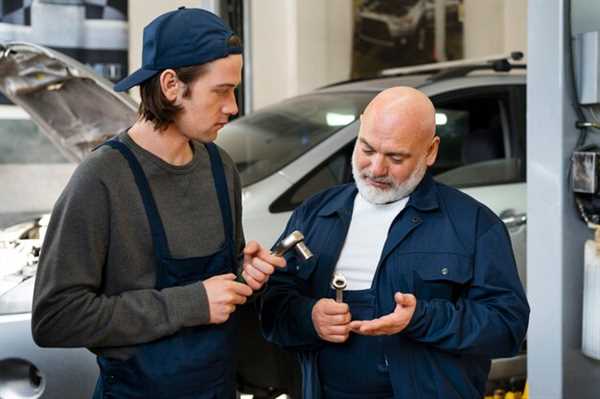
Create a clear sequence of commands that each team member understands. Assign specific roles and responsibilities for each task during the stop. This reduces confusion and enhances speed.
Implement a primary signal that indicates the start of the operation. A visual cue, such as a colored flag or a designated light, can minimize errors and improve response times.
Establish standardized phrases for common actions. This helps team members react swiftly without misinterpretation. For instance, use “Go” for immediate action and “Stop” to halt all movements.
Utilize technology to support verbal interactions. Headsets with noise-cancellation features allow for crystal-clear exchanges, minimizing distractions and ensuring everyone hears instructions.
Conduct regular training sessions. Simulated practice scenarios enhance familiarity with protocols and strengthen teamwork under pressure. Analyze past performances to identify areas for improvement.
Incorporate a feedback loop where team members can discuss what worked and what didn’t after each event. Continuous adaptation helps refine processes and fosters a culture of open dialogue.
Review and update protocols periodically to accommodate any changes in equipment or team dynamics. This ensures that the approach remains relevant and effective over time.