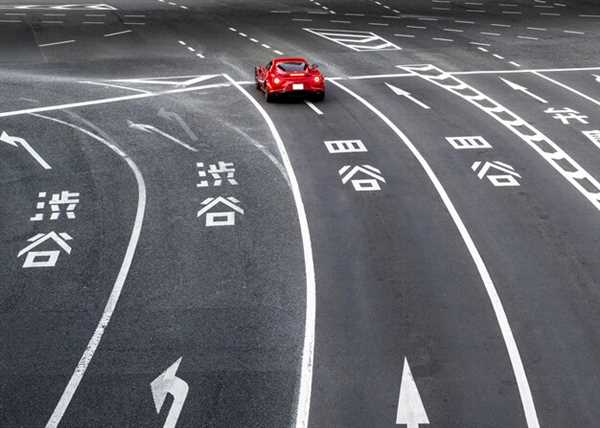
Wear your helmet at all times while behind the wheel. This crucial piece of equipment can significantly reduce the risk of head injuries in high-speed scenarios. Choose a certified helmet that fits properly and meets performance standards established by recognized organizations.
Always secure your seatbelt before you start. A well-fitted harness will keep you firmly in place during maneuvers and prevent unnecessary movement, which can lead to serious injury. Ensure that the harness is anchored correctly and not worn out.
Be aware of your surroundings; keep an eye on fellow competitors and adjust your strategy appropriately. Watching the behavior of other drivers can provide critical information about potential risks and hazards on the route.
Regularly inspect your vehicle for mechanical issues before each race. This includes checking the brakes, tires, and engine performance. Proper maintenance not only enhances speed but also minimizes the possibility of breakdowns that can lead to accidents.
Always abide by flags and signals displayed by officials. These indicators convey vital information on track conditions, such as hazards or the need to slow down. Ignoring these signals can have severe repercussions.
Practice good communication with your crew and spotters. Ensure everyone knows their roles and can quickly relay information, especially during unexpected situations on the course.
Understanding the Importance of Personal Safety Gear
Wearing a helmet is non-negotiable. It protects against head injuries during high-speed incidents. Look for models certified by recognized standards to ensure reliability.
Flame-resistant suits are critical. Such attire shields skin from fire hazards, especially during crashes. Ensure that the suit fits properly for optimal protection.
Footwear that provides grip and support plays a key role. Select shoes designed specifically for racing, featuring reinforced soles and ankles to prevent injuries.
Gloves enhance grip and control. Opt for gloves made from durable materials that resist abrasion while providing tactile feedback on controls.
Overall, body armor can significantly absorb impact. Chest protectors and back guards are vital for safeguarding vital organs and spine in case of collisions.
Visibility cannot be overlooked. Use gear with reflective elements or bright colors to enhance visibility to others on the circuit.
Regularly inspect all equipment for wear and tear. Damaged gear may fail to provide necessary protection, putting an individual at risk.
Always prioritize comfort alongside protection. Ill-fitting gear can restrict movement and distract from focus during racing.
Key Track Procedures for Collision Avoidance
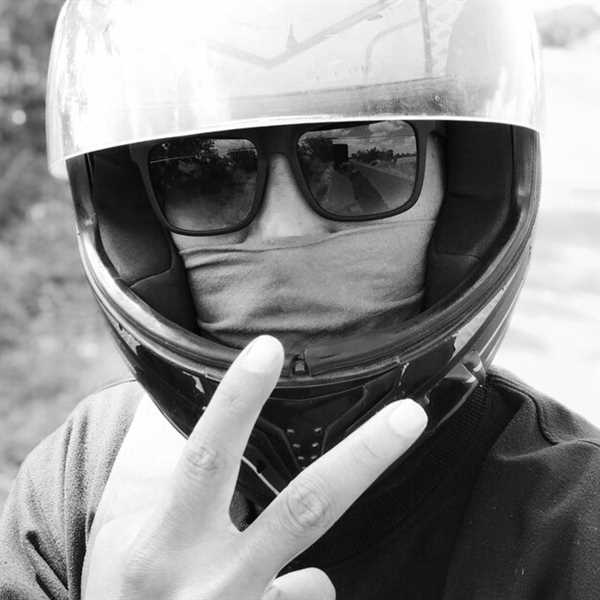
Maintain consistent awareness of your surroundings. Regularly check mirrors and use peripheral vision to identify nearby competitors.
Always signal your intentions with clear hand gestures or light indicators well in advance of any maneuvers. This communication reduces ambiguity during tight racing scenarios.
Position your vehicle to avoid blind spots. Stay in areas of the circuit that allow for maximum visibility of other participants, especially during overtaking.
Utilize the racing line effectively while being mindful of others. Deviate from the line only when certain it will not interfere with nearby entrants.
Adjust speed according to traffic conditions. Being too aggressive can lead to unnecessary risks; instead, anticipate others’ actions and respond accordingly.
Engage in defensive driving techniques, particularly in crowded sections of the circuit. Protect your position while allowing enough room for others to maneuver safely.
Be aware of track limits and adhere to them strictly. Exceeding boundaries can lead to loss of control and potential collisions.
Practice patience during close racing. An impulsive move can result in contact; prioritize maintaining control over gaining immediate positions.
Review and familiarize yourself with collision avoidance tactics regularly. Knowledge of procedures can empower better decision-making under pressure.
Handling Emergency Situations During Races

Upon encountering a critical incident, prioritize the vehicle’s control to minimize further risks. Assess surroundings quickly and remain calm. If a collision occurs, check for possible hazards immediately.
Communicate effectively with your team via radio to relay your status. Signal for assistance when necessary, using pre-established codes to convey urgency without causing panic.
If the vehicle catches fire, exit without hesitation. Remember to use the safety equipment provided, like fire extinguishers, when possible. Keep a safe distance and alert officials in charge.
Practice maneuvering in adverse conditions, such as wet or slippery surfaces, prior to events. Learn to recognize signs of loss of traction and react by easing pressure on the accelerator and steering smoothly.
Preparation also includes familiarizing yourself with emergency protocols outlined for each venue. Participate in drills to ensure quick reactions during unexpected events.
Pay close attention to other competitors’ behavior. Sudden changes in velocity or trajectory could indicate trouble, prompting you to adjust your own positioning.
Always wear appropriate gear that enhances protection against impact. This includes helmets and reinforced suits, which are crucial in reducing injury risks during incidents.