When seeking unparalleled control on the road, choosing the right set of wheels is paramount. A selection that prioritizes compound, tread pattern, and sizing will dictate how well your vehicle responds in various conditions. Ensure the rubber matches your driving style and environmental factors, optimizing performance both in corners and during acceleration.
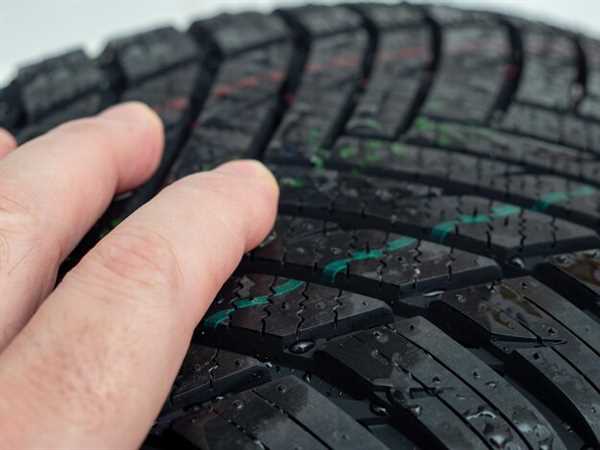
The tread design plays a significant role in the contact patch with the road surface. For instance, deeper grooves may offer better water evacuation, enhancing stability on wet surfaces. Conversely, a smoother profile can boost traction on dry asphalt, ensuring that every turn is executed with precision.
Moreover, the rubber’s hardness defines how the vehicle reacts to inputs. Softer compounds generally provide greater adhesion, perfect for racing scenarios, while harder options favor longevity and low rolling resistance, suited for everyday commuting. Striking the right balance between these elements is key to achieving a high level of dynamics and responsiveness in driving.
Understanding Tire Types and Their Impact on Performance
Choosing the correct type is critical for achieving optimal performance on the road or track. Each variety has unique characteristics affecting handling, stability, and traction.
- All-Season Options: Designed for versatility, these tires provide moderate performance in various weather conditions. They strike a balance between comfort and durability, making them suitable for everyday use.
- Summer Varieties: Engineered for warmer climates, these options excel in dry and wet conditions. The rubber compound remains pliable, ensuring enhanced cornering and braking capabilities.
- Winter Types: Featuring deeper treads and softer compounds, these tires offer superior traction on snow and ice. Their design enhances grip during low temperatures, making them ideal for harsh winter conditions.
- Performance Choices: Focused on maximizing handling, these tires deliver exceptional responsiveness and stability at higher speeds. The tread patterns are optimized to minimize hydroplaning and improve road contact.
- Off-Road Variants: Built to navigate rough terrains, these options boast aggressive tread patterns for improved traction on dirt, mud, and gravel. They are reinforced to withstand punctures and abrasions.
Prioritizing your specific driving needs will shape the final decision. Always assess the conditions you anticipate encountering and select an option that aligns with those requirements. The right choice directly contributes to safety and performance on the road.
Evaluating Tread Patterns for Specific Driving Conditions
For optimal performance in different environments, consider the following tread configurations:
Wet Conditions: Choose tires featuring a deep, directional pattern with wide grooves to facilitate water evacuation. This design minimizes hydroplaning and enhances control on slick surfaces.
Off-Road Terrain: Select a rugged tread with larger, more aggressive lugs. This type helps grip loose dirt, gravel, and mud, providing necessary traction where pavement ends.
Winter Driving: Look for a tread pattern with multiple sipes and a softer rubber compound. These elements improve traction on snow and ice, offering better stability and stopping power in harsh conditions.
Highway Travel: Opt for tires with a symmetric or asymmetric tread layout. These patterns typically reduce road noise and enhance fuel efficiency without sacrificing handling on dry pavements.
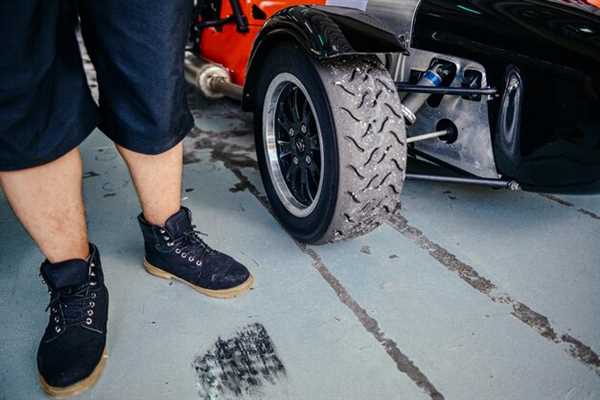
Performance Driving: Choose a semi-slick or performance-oriented tread. These designs focus on maximizing contact with the road, providing superior cornering and acceleration in dry conditions.
Assessing specific driving scenarios ensures the right choice, leading to improved safety and performance. Select wisely to match the unique characteristics of each environment encountered.
Maintaining Tires for Optimal Handling and Safety
Regularly check air pressure; it affects performance directly. Maintain pressures according to manufacturer specifications. Under-inflation leads to excessive heat and tread wear, while over-inflation reduces contact area, impacting steering response.
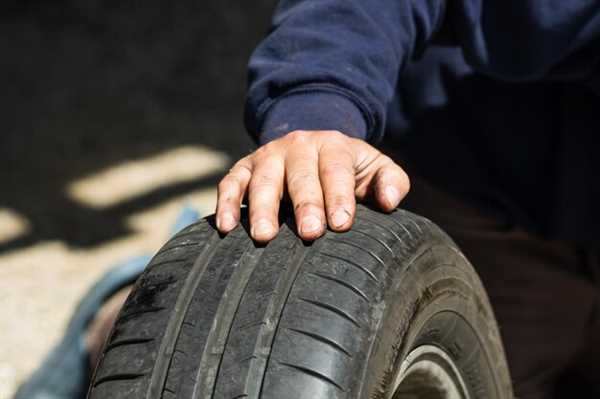
Monitor tread depth consistently. Tread patterns are designed to channel water away, ensuring traction. Use a penny test; if Lincoln’s head is visible, replace the rubber. Aim for a minimum of 2/32 inch for safe conditions.
Rotate these components every 5,000 to 7,500 miles to promote even wear. This practice extends lifespan and maintains consistent performance parameters across all wheels.
Alignment adjustments are crucial. Misalignment can cause uneven wear and affects the vehicle’s tracking. Inspect alignment every time you change tires or if steering feels off.
Inspect for damages such as cuts, punctures, or bulges. Any visible issues may compromise functionality. Address repairs immediately; compromised integrity affects overall vehicle stability.
Keep surfaces clean from debris and contaminants. Regular washing helps preserve rubber quality and performance characteristics, ensuring constant traction and responsiveness.
Consider seasonal adjustments. Switching to appropriate compounds for winter or summer can significantly enhance safety and handling. Adapt your choices based on driving conditions and environmental factors.