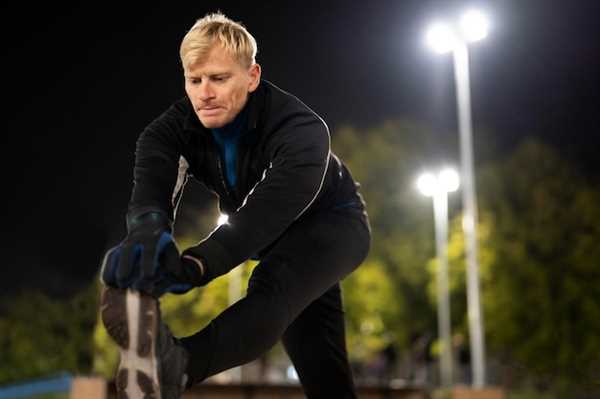
Establish a routine before your event to bolster confidence. Choose specific activities that signal to your body it’s time to focus. Whether it’s a set warm-up, visualization of your performance, or a few moments of deep breathing, consistency is key to creating a calming atmosphere.
Channel excess energy into preparation. Engaging in light physical activity or practicing routines can redirect feelings of restlessness. This approach not only distracts from anxious thoughts but also reinforces skill mastery, enhancing overall performance readiness.
Practice positive self-talk to counter negative thoughts. Recite affirmations that highlight your abilities and achievements. Shifting your mindset can significantly reduce feelings of apprehension, allowing for greater concentration on the task ahead.
Connect with teammates or peers to alleviate pressure. Sharing experiences and concerns fosters a supportive environment. Discussing expectations and strategies can create camaraderie, making the upcoming challenge feel more manageable.
Lastly, focus on the present moment. Techniques such as mindfulness can help anchor your thoughts. Instead of worrying about the outcome, concentrate on your immediate actions, allowing you to perform with clarity and assurance.
Building a Pre-Race Routine to Stay Calm
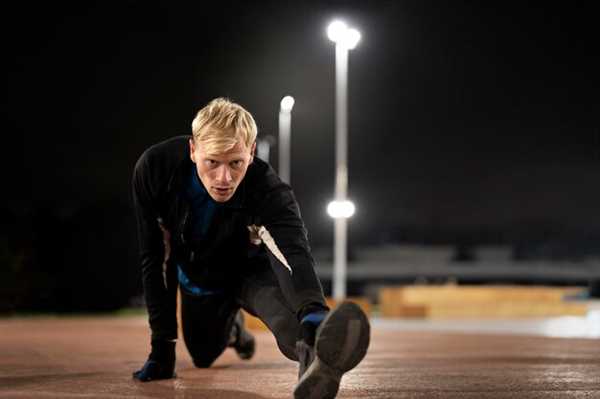
Create a consistent sequence of activities leading up to the competition. Begin with a light warm-up session to get your body moving without exerting too much energy. Focus on deep breathing exercises to ground yourself, inhaling slowly and exhaling fully to reduce tension.
Techniques for Breathing and Mental Focus

Practice diaphragmatic breathing: inhale deeply through the nose, allowing your abdomen to expand. Exhale slowly through the mouth. Repeat this cycle five times to establish control and induce relaxation.
Incorporate a mantra during your breathing exercises. Choose a simple phrase that resonates, such as “calm” or “focus,” to help maintain concentration and push aside distractions.
Utilize visualization techniques. Picture yourself performing flawlessly in your event. Engage all senses–imagine the sounds, sights, and feelings associated with success. This can enhance mental preparedness.
Conduct progressive muscle relaxation. Starting from your toes, tense each muscle group for five seconds, then release. Move through your body upwards, promoting a greater sense of physical control.
Employ mindfulness strategies. Focus on the present moment, dismissing anxious thoughts about outcomes. This shifts attention away from pressure, fostering a serene mindset.
Before the competition, dedicate five minutes to a breathing exercise followed by visualization. This short session can solidify both focus and composure, setting a positive tone for performance.
Strategies for Positive Visualization and Self-Talk
Visualize the experience in vivid detail: picture the start line, the atmosphere, and the sounds. Imagine yourself moving fluidly and confidently, crossing milestones with ease. This mental image builds familiarity, reducing anxiety.
Create affirmations tailored to your mindset. Phrases like “I am prepared,” or “I thrive under pressure,” reinforce positivity. Repeat these statements during warm-ups to solidify confidence.
Practice deep breathing exercises alongside visualization. Inhale slowly, hold, and exhale. This not only calms your body, but it also aligns with mental imagery of peak performance.
Envision past successes. Recall moments from training when you pushed through challenges or exceeded your own expectations. This reflection reassures you of your capabilities.
Set clear and achievable goals for the event. Break them down into smaller components, like pacing or technique, to maintain focus and stave off overwhelming thoughts.
Engage in self-dialogue throughout the preparation stage. Acknowledge any anxious feelings, then counter them with empowering thoughts. This helps shift the narrative from fear to excitement.