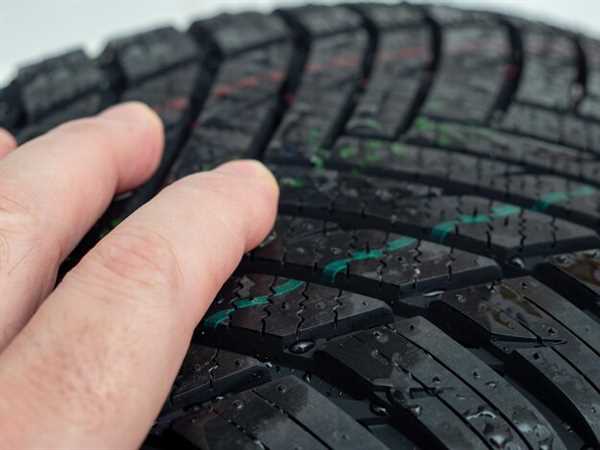
Fine-tuning your vehicle’s handling characteristics begins with a careful adjustment of the componentry that connects the chassis to the ground. Start with shock absorbers; setting the right damping ratios can greatly enhance grip. Increasing compression damping for better response during cornering will help your car maintain traction when navigating tight turns.
Next, focus on spring rates. By altering the stiffness of your springs, you can control body roll and improve weight transfer, crucial for maximizing acceleration out of corners. A stiffer spring setup on the left side may compensate for left turns, allowing the car to better adjust to the track’s demands.
Another critical factor to consider is the alignment settings. Adjusting camber and toe angles plays a significant role in how the tires contact the racing surface. A slight negative camber can help with cornering stability, while the right toe settings ensure precise steering response. Remember, minute changes can lead to significant improvements.
Finally, always account for the conditions of the racing surface and make adjustments accordingly. Tire pressures should also be monitored closely, as they impact grip levels. Experiment with different pressures to find the sweet spot for your setup, tailored to the specifics of the event.
Understanding Weight Distribution and Its Impact on Handling
Optimize weight distribution to enhance traction and cornering ability. Aim for a balanced setup, typically achieved by positioning heavier components centrally or lower. A 50/50 weight split front to rear improves stability during high-speed turns.
Adjust the front-to-rear balance by shifting ballast or modifying ride height. Increasing rear weight can enhance grip on the exit of corners, while more front weight aids in turning response. Monitor tire wear patterns; uneven wear indicates an unbalanced setup.
Utilize corner scales to determine exact weight distribution. Make adjustments incrementally to observe changes in handling. Test different configurations in practice sessions to pinpoint the ideal setup for track conditions and driving style.
Consider the role of sprung and unsprung weight. Minimizing unsprung mass allows for quicker responses to road imperfections, while managing sprung weight affects body roll and cornering stability.
Document changes and their effects; a thorough log enables informed decisions. Weight distribution directly affects performance, making it a key factor in achieving optimal handling during competitive events.
Selecting the Right Shock Absorbers for Oval Racing Conditions
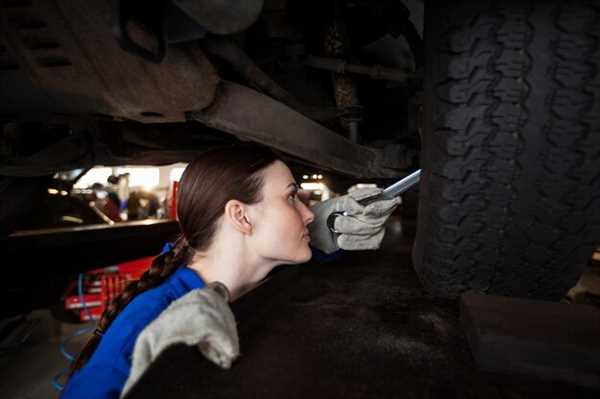
Select shock absorbers tailored to your specific surface type, whether it’s asphalt or dirt. For asphalt, consider monotube designs for more consistent performance and heat dissipation. For dirt, twin-tube versions with a softer tuning can assist in absorbing bumps effectively.
Monitor the damping characteristics; adjustable units enable fine-tuning for both compression and rebound, essential for maintaining grip and stability. Look for models that allow quick adjustments to adapt to changing track conditions. Aim for a balance between soft compression for initial impacts and firm rebound to maintain traction.
Pay attention to spring rates; they influence how the car reacts to bumps and turns. A stiffer spring might benefit high-speed stability, while softer springs can enhance cornering and traction in slower turns. Consider your car’s weight and the track layout when choosing rates.
Test different setups during practice sessions. Use telemetry data to analyze the car’s behavior, focusing on grip levels, weight transfer, and tire performance. Gathering this information will inform adjustments to shock settings.
Collaborate with experienced teams or professionals. Their insights can help you avoid common pitfalls and refine your approach. Seek recommendations based on their experiences in similar conditions.
Tuning Spring Rates for Optimal Grip on Different Track Surfaces
For a dry asphalt surface, consider a spring rate range of 200-250 lb/in to maximize traction. This stiffness helps maintain contact patch consistency during high-speed turns.
When dealing with dirt or clay surfaces, opt for softer springs in the 150-200 lb/in range. The diminished grip benefits from more compression, allowing for improved bite and enhanced cornering ability.
On a wet surface, slightly increase the spring rate by 10-20% from the standard settings to limit body roll and improve responsiveness. This adjustment compensates for reduced traction and maintains better control.
Evaluate tire pressure alongside the spring adjustments; lower pressures can increase the contact patch size, enhancing grip but may require a softer spring to prevent excessive body roll.
Test various rates during practice sessions, noting the car’s handling characteristics. Fine-tuning spring rates in increments of 5-10 lb/in provides precise control to find the right balance for specific surfaces and conditions.