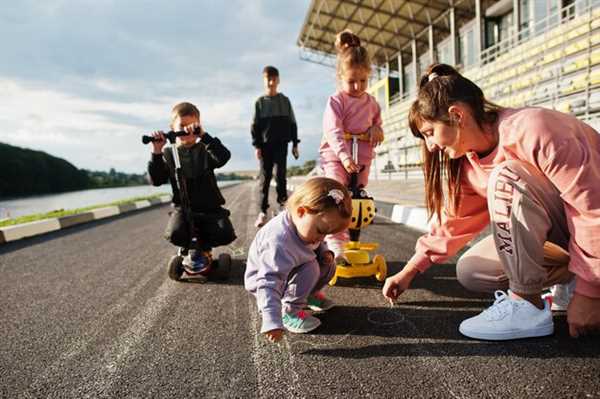
Focus on the specifics of circuit configurations that emphasize strategic features and operational dynamics. Recognize that the interplay between elevation changes, surface textures, and tight corners can significantly affect performance outcomes. Maximizing grip and minimizing fatigue are pivotal; hence, analyzing the surface material and its weather resistance becomes paramount.
Assessing how varying configurations can impact vehicle handling and driver response is critical. Implement mixed sections that challenge both competitors’ skills and adjustment capabilities for the support teams. Features such as pit entry and exit points should be optimized, ensuring smooth transitions between active racing and servicing without compromising safety or timing.
Encourage a detailed review of accessibility for maintenance crews. A well-planned layout should offer quick and safe access to critical areas during a race, enabling timely interventions and repairs. Continuous analysis of competitor strategies in relation to different track characteristics will enhance adaptability and performance efficiency.
Impact of Track Design on Driver Performance
A well-planned configuration directly influences a participant’s ability to perform optimally. Curvature, elevation changes, and surface texture significantly alter handling characteristics and speed capabilities. For instance, a circuit with high-speed straights maximizes acceleration potential, while complex corners challenge vehicle control and precision.
The gradient of a circuit can affect weight distribution during maneuvers, impacting grip levels. Steeper inclines may lead to reduced traction, making it imperative for competitors to adjust their driving style to maintain speed through critical sections. Designers should prioritize visibility, allowing competitors to anticipate changes in the course effectively.
Drivers’ confidence hinges on the predictability of the surface. An uneven surface can cause unexpected behavior, necessitating quick adaptations in driving technique. Ensuring a smooth, consistent quality can enhance the overall performance experience, allowing participants to push limits without hesitation.
Situational awareness becomes paramount on layouts designed with limited sightlines. Participants must be skilled in reading potential hazards and adjusting their approach appropriately. Clarity in design not only boosts confidence but also enhances overall safety and competitive fairness.
Incorporating features that promote overtaking opportunities can also be beneficial, allowing for strategic maneuvers to maintain competitive advantage. The arrangement of corners, merging sections, and run-off areas plays a decisive role in facilitating safe passing while encouraging aggressive racing strategies.
Strategies for Crew Management During Race Operations

Establish clear roles for each team member to streamline communication and efficiency. Assign specific tasks based on individual strengths and expertise, ensuring everyone understands their responsibilities. This promotes accountability and minimizes the risk of errors under pressure.
Implement a pre-race briefing to align all personnel with the day’s objectives and potential contingencies. Use this meeting to discuss the unique characteristics of the circuit, including any intricate sections that require heightened focus.
Utilize checklists to track progress on important duties. This minimizes oversight and ensures that all vital equipment and resources are ready before the race begins. Regular updates can help keep all members informed of any changes or issues that arise.
Encourage collaboration among team members across different roles. A unified approach fosters problem-solving and adaptability when unexpected situations occur during the event.
Invest in simulation training for crew members to familiarize them with the specifics of the environment. By practicing various scenarios, the team can enhance their responsiveness in actual race conditions.
Establish a robust communication system to facilitate real-time updates. Using radios or dedicated channels ensures that all key personnel can relay information swiftly, crucial for decision-making during critical moments.
Post-event analysis is vital for continuous improvement. Collect feedback from crew members on their experiences and discuss potential enhancements for future events. This iterative process cultivates a culture of growth and preparedness.
Evaluating Safety Features in Various Track Configurations
Implement advanced barriers at critical turns to absorb impacts effectively. Utilize energy-absorbing materials that reduce injury risks during collisions.
Design clear sight lines to enhance visibility at potential problem areas. This can prevent incidents by allowing teams to see approaching vehicles and obstacles more easily.
Install consistent signage throughout the area to communicate hazards and guide participants clearly. Well-placed signs improve awareness and promote safer navigation.
Use proper drainage systems to prevent water accumulation, reducing the likelihood of slips and loss of control. Maintain these systems regularly to ensure they function optimally.
Incorporate run-off areas to provide safe zones for vehicles that may lose control. These spaces can prevent dangerous collisions and create buffer zones for performance adjustments.
Conduct regular safety audits to assess the effectiveness of current features. Gather feedback from teams to identify potential improvements that can enhance safety standards.
Implement advanced communication systems to maintain constant contact among teams. This reduces misunderstandings and enhances coordination during events.
Utilize crowd control measures to keep spectators at safe distances. Barriers and designated viewing areas can significantly decrease the risk of accidents involving fans.
Integrate technology such as automated alerts for dangerous conditions. Real-time notifications can proactively address issues and inform all relevant parties instantly.
Enforce strict safety protocols for all personnel involved. Regular training sessions ensure everyone is well-equipped to handle emergencies efficiently, fostering a culture of safety.