For anyone involved in high-speed automotive competitions, commitment to utilizing top-grade protective implements can greatly reduce the risk of severe harm. Each layer of shielding plays a significant role in preserving the wellbeing of the driver during intense racing situations.
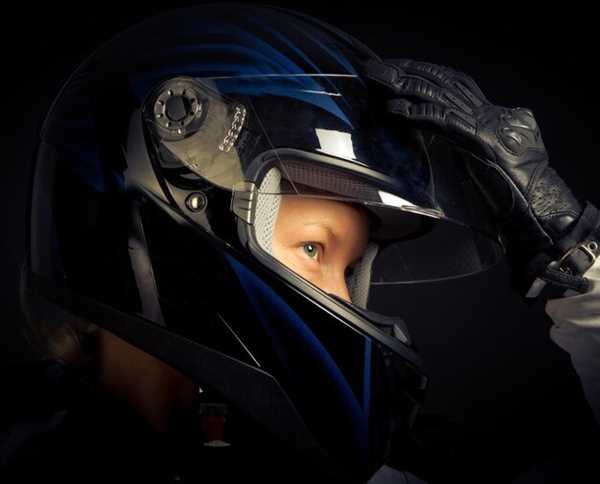
Adequate headgear is fundamental; helmets constructed with advanced materials absorb impact and withstand extreme conditions. The choice of a helmet isn’t merely a personal preference but a critical measure that can save lives. Always opt for models that meet stringent safety standards and include features like fire resistance and improved visibility.
Bodywear designed specifically for motorsport is equally crucial. Fireproof suits engineered from aramid fibers can prevent serious burns in the event of an accident. These suits should fit properly to ensure mobility while offering maximum defense against flames and abrasion.
Footwear plays a surprisingly significant role in safeguarding not just the feet, but also enhancing pedal control. Quality racing boots provide grip, support, and heat resistance, serving as the first line of defense against potential hazards.
Every piece of safety equipment is an investment in longevity on the track. Prioritizing quality and compliance with recognized standards ensures that competitors can focus more on their performance and less on the unforeseen dangers inherent to high-speed driving.
Understanding the Role of Helmets in Impact Protection
High-quality helmets are designed with advanced materials that absorb impact energy during collisions. Look for those constructed from polycarbonate or carbon fiber, which enhance durability and reduce weight. The internal foam padding plays a crucial role in dissipating forces, minimizing the risk of concussions and skull fractures.
Ensure your headgear meets or exceeds standards set by organizations like Snell or DOT. Regularly inspect for any signs of damage or wear, replacing the helmet after significant impacts. Proper fit is paramount; a snug helmet reduces movement, providing optimal coverage and security.
Ventilation is another key aspect; it ensures comfort and prevents overheating during prolonged use. Helmets equipped with face shields or visors also enhance visibility while protecting against debris and weather elements. Consider models with quick-release mechanisms for easy removal in emergencies.
Training on the correct helmet usage–including fastening the straps and positioning on the head–can significantly enhance safety. Continuous education on the latest advancements in head protection can further inform choices and encourage proactive measures in safeguarding against potential risks on the track.
Fire-Resistant Suits: A Critical Barrier Against Flames
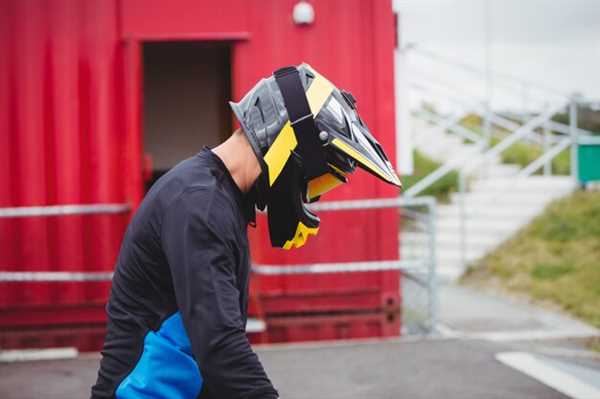
Choosing fire-resistant apparel is non-negotiable in motorsport competitions. These garments are engineered from advanced materials such as Nomex and Kevlar, which offer significant protection against extreme heat and flames. A reliable suit should meet stringent standards like FIA 8856-2000 or SFI 3.2A. These certifications verify that the outfit can withstand direct exposure to fire for a set period.
It is advisable to layer your clothing for added safety, as base layers play a key role in preventing burns. Opt for long-sleeved tops and pants crafted from similarly fire-resistant fabrics. Ensure that the suit fits snugly without restricting movement, allowing racers to maneuver effectively while maintaining a protective barrier.
Regular maintenance is essential; inspect for any damage or wear after each race. A compromised suit can lead to catastrophic consequences. Washing instructions should be followed carefully to retain the suit’s protective qualities. Avoid using bleach or fabric softeners as they can degrade the material over time.
In addition to proper attire, integrating a balaclava and fire-resistant gloves into the outfit further enhances safety. These accessories protect exposed skin areas and improve grip on steering wheels, vital for controlling high-speed vehicles. Prioritizing thorough training on emergency procedures, including exit strategies in case of fire, complements the effectiveness of fire-resistant suits.
The Importance of Safety Harnesses in Preventing Injury

Utilizing high-quality restraint systems reduces the risk of severe injuries significantly during high-speed collisions. These harnesses distribute forces across the body, minimizing localized impact and enhancing passenger stability.
The recommended configuration consists of a five-point system, providing optimal support for the shoulders, hips, and pelvis. Proper installation ensures the harness system remains taut, preventing excessive movement in the event of an accident.
Regular inspection is critical. Check for wear, fraying, or other damage, as compromised materials can lead to failure. Expired components, often after five years, should be replaced to maintain reliability.
Training on proper use is vital. Drivers and riders must understand the correct method of securing themselves, ensuring that the harness fits snugly, which helps in maintaining full control during dynamics.
Data indicates that racers utilizing advanced restraint systems experience fewer fatalities. These systems contribute significantly to the protection of vital organs and reduce the risk of neck and spinal injuries.
Investing in a certified harness system is non-negotiable. Always opt for components that meet or exceed industry standards, as they are designed to withstand extreme conditions and impacts commonly encountered on the track.