
Ensure optimal traction by adjusting tire pressure. Lowering tire pressure slightly increases the contact patch, enhancing grip on slick surfaces. This adjustment should be accompanied by a thorough check of tread depth and characteristics, as specific tires are designed to perform better in moist environments.
A comprehensive assessment of aerodynamic components is necessary to adapt to reduced downforce. Modify wing angles to maximize stability at high speeds, as wet surfaces can lead to unpredictable handling. Reinforcing the suspension settings will provide better response during cornering, allowing for improved maneuverability.
Conduct a meticulous inspection of the braking systems. Wet conditions necessitate the use of specific compounds that maintain performance levels despite the presence of water on the track. Bleeding the brakes, ensuring optimal fluid condition, and adjusting pedal travel will guarantee maximum reliability during high-stress situations.
Adapt fuel mapping to ensure smooth power delivery, preventing wheel spin. A softer throttle response will help in maintaining control during acceleration. Utilize telemetry to monitor engine performance and determine necessary adjustments based on changing conditions in real time.
Assessing Track Conditions and Water Levels
Evaluate the track surface immediately following precipitation. Utilize specialized equipment to measure water levels and identify standing water.
Pay specific attention to corners and low-lying areas, as these zones tend to retain moisture longer. A quick visual inspection can reveal puddles that may not be easily seen from a distance.
Incorporate real-time data from weather stations to anticipate further rainfall that could impact surface performance. Conditions can change rapidly; stay informed on incoming weather patterns.
Monitor tire marks left by previous sessions to assess drainage efficiency. If accumulation is significant, consider using pump systems to remove excess water.
Communicate regularly with the chief marshal and track officials to receive updates on any necessary adjustments to proceedings. Their insights will help in making informed decisions swiftly during potential interruptions.
After clearing standing water, expand the evaluation to grip levels. Conduct test laps with a focus on traction, and adjust settings to maintain optimal performance. Track temperature and humidity can also alter grip; make sure to document these variables for future reference.
Adjusting Tire Selection and Air Pressure for Rain
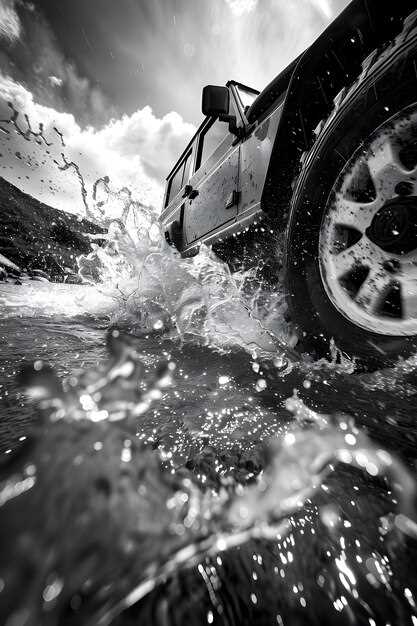
Choose wet weather tires instead of slicks. These types provide superior grip on slippery surfaces, featuring deeper treads for improved water displacement. Ensure to replace all tires to maintain balanced handling.
Monitor air pressure closely. Lower pressure enhances the tire’s footprint, increasing traction. Typically, a reduction of 2-3 psi from dry conditions is preferred. Adjust according to track temperature and humidity levels.
Regularly check tire temperature during sessions. Optimal temperature range for wet tires is around 60-80 degrees Fahrenheit. If tires run too cool, they may struggle for grip; adjust air pressure accordingly to help achieve this range.
Keep track of the weather forecast and any changes during the event. Anticipate potential drying tracks or increasing rain, and stay flexible with adjustments. Continuous assessment can prevent delays and enhance performance.
Lastly, conduct thorough tests in practice sessions to pinpoint the most functional setup. Collect data on tire wear patterns and adjust air pressure as needed to optimize performance throughout the event.
Ensuring Optimal Brake Performance in Wet Conditions

Utilize new brake pads specifically designed for wet situations. These pads provide enhanced grip and lower the likelihood of brake fade under challenging elements.
Inspect the brake fluid for moisture content. Replace it promptly if it’s contaminated, as wet surfaces can lead to the absorption of water, affecting braking response.
Adjust the brake bias to favor the front wheels slightly more. This adjustment compensates for reduced grip at the rear, preventing potential skidding during sudden stops.
Ensure all brake lines are free from leaks. The integrity of the hydraulic system is paramount for maintaining consistent performance when surface conditions are less than ideal.
Modify tire pressure to suit wet surface dynamics. Lower pressure can increase the contact patch but requires careful monitoring to avoid excessive wear or blowouts.
Test brake temperatures before and during activity. Using a pyrometer will help ensure that brake components maintain optimal performance levels throughout wet weather.
Incorporate wet-conditions driving simulations. Practice maneuvers that simulate sudden stops and emergency braking, allowing drivers to acclimate to altered feedback and response.
Finally, maintain close communication with the pit crew to monitor any changes in track conditions, allowing for real-time adjustments to braking strategies.